8 Unforgettable Styles of Funny Rhymes for Birthdays (2026 Edition)
Stuck in a rut writing the same old birthday message? This year, ditch the clichés and learn how to create genuinely funny rhymes for birthdays th


Jan 9, 2026 | 25 Min Read
In today's crowded philanthropic landscape, a generic thank-you note no longer cuts it. Donors, from first-time givers in the United Kingdom to long-term patrons in Australia, crave a deeper connection to the causes they support. They want to see their impact, feel valued, and be part of a community. This shift demands that we move beyond traditional plaques and mailing lists towards more dynamic, personal, and impactful donor recognition ideas. The key is authenticity; a heartfelt message can often be more powerful than a costly gala.
Modern tools now allow us to scale this personal touch. For instance, a collaborative online leaving card or a group greeting card from your team or beneficiaries can deliver a multi-layered, emotional thank you that resonates far more than a form letter. To truly embody the 'human touch' and foster long-term loyalty, it's essential to understand effective strategies for thanking donors and building lasting relationships. This approach ensures that every contributor, whether they've sent a one-time birthday ecard or made a major gift, feels genuinely appreciated.
This guide provides a comprehensive list of actionable strategies, organised to help you build a recognition programme that not only retains donors but transforms them into lifelong advocates for your mission. Whether your supporters are in the United States, Canada, India, or Africa, these ideas will help you create meaningful connections that honour their generosity and strengthen their commitment to your cause. We will explore everything from digital donor walls and tiered benefit programmes to experiential events and personalised impact reports.
A digital donor wall transforms traditional, static recognition plaques into dynamic, interactive experiences. This approach uses screens or dedicated web pages to showcase contributor names, donation levels, and personalised multimedia content like photos, videos, and testimonials. Unlike a physical wall that is expensive and difficult to update, a digital version can be changed in real-time, shared across multiple platforms, and customised to match your organisation's branding.
This method merges the permanence of traditional donor honour with the flexibility and reach of modern digital media. It provides a powerful, ongoing platform to make donors feel seen and appreciated while simultaneously creating engaging, shareable content that can support future fundraising campaigns.

Digital walls are highly scalable and offer a far greater return on investment than their static counterparts. They allow you to connect a donor's contribution directly to its impact through visual storytelling, reinforcing their decision to give and encouraging others to join your cause. For example, a university can feature video messages from scholarship recipients next to the names of the endowment donors, creating a powerful emotional connection.
A collaborative thank-you card campaign moves beyond a standard, single-signature letter and invites multiple stakeholders to express their gratitude. This involves team members, board members, volunteers, or even beneficiaries contributing personalised messages, photos, and GIFs to a shared digital card. It transforms a simple thank-you into a powerful, multi-faceted testament to a donor's impact.
This approach creates a deeply personal and memorable experience for donors, showcasing the collective appreciation of the community they support. Rather than receiving a formal message from the organisation, they get a chorus of genuine voices, reinforcing the human connection at the heart of their generosity. This is one of the most heartfelt donor recognition ideas for making an emotional impact.
Collective gratitude feels more authentic and carries more emotional weight than a single institutional message. It allows major donors to see and feel the ripple effect of their contribution through the eyes of real people. For instance, a school can have students and teachers add notes to a card for a donor who funded a new library, each sharing how the space has enriched their learning. This direct feedback is invaluable and deeply motivating.
A tiered recognition system creates a structured framework for acknowledging donors at different contribution levels with escalating benefits and visibility. Each tier, often named to reflect a growing level of partnership (e.g., Friend, Advocate, Champion), receives distinct recognition treatments. This could range from a simple digital thank you for entry-level donors to exclusive impact reports, special event invitations, or naming opportunities for top-tier supporters.
This strategy effectively gamifies the act of giving by providing clear, attainable goals and rewarding increased commitment. It ensures that every donor feels valued within a structured system, while simultaneously creating a clear pathway to encourage deeper engagement and larger contributions over time.
Tiered systems provide clarity and transparency in your recognition efforts, letting donors know exactly what to expect in return for their support. This donor recognition idea motivates supporters to "level up" their giving to unlock greater benefits and a deeper connection to your mission. For instance, a university's campaign might offer a named scholarship at the £100k level and a named building wing at the £1M level, making the impact of higher-level giving tangible and aspirational.
This donor recognition idea shifts the focus from the act of giving to the tangible results of that generosity. Instead of merely listing donor names, impact story recognition highlights the real-world outcomes of contributions through compelling narratives, videos, and heartfelt testimonials from those directly benefiting from the cause. It closes the loop for donors, showing them exactly how their support has changed lives or advanced the mission.
This approach creates a powerful emotional connection by demonstrating the 'why' behind the donation. It validates a donor's decision, deepens their satisfaction, and provides powerful motivation for continued support by making them a central character in a story of positive change.
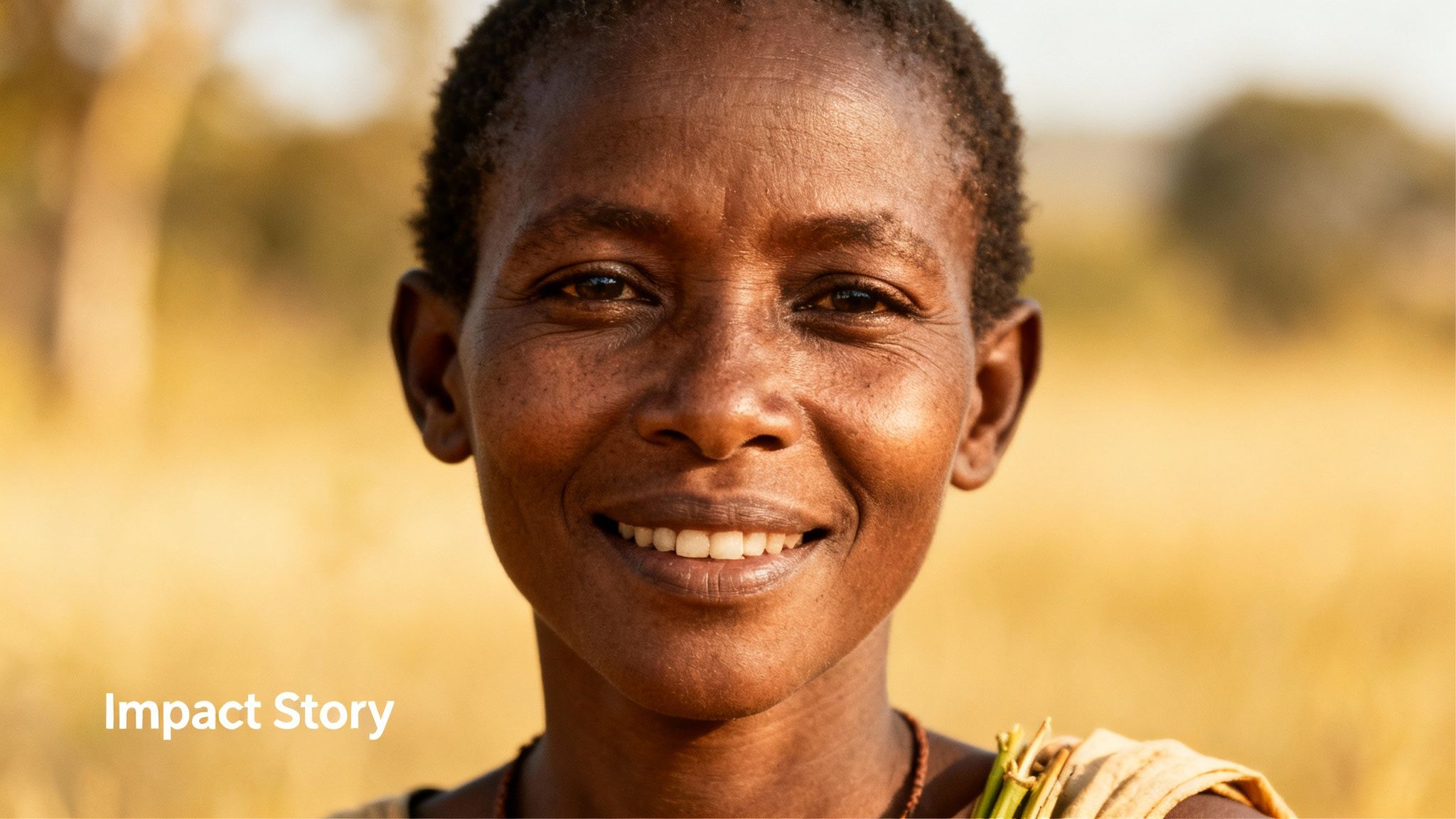
Impact stories transform a financial transaction into a human connection. They are inherently shareable, providing your organisation with authentic marketing content that showcases its effectiveness. For example, an animal shelter can share a video of a rescued dog thriving in its new home, complete with a testimonial from the adoptive family, and directly credit the donors who funded its medical care. This method makes appreciation feel less like a transaction and more like a shared success story.
A peer-to-peer recognition network shifts the focus from top-down appreciation to a more decentralised, community-driven model. Instead of the organisation being the sole source of praise, this system empowers donors, volunteers, and supporters to publicly acknowledge and celebrate each other’s contributions within a connected community platform like a dedicated forum, social media group, or a shared digital space.
This approach transforms donor recognition from a transactional "thank you" into an organic, authentic expression of shared values. It leverages social proof and community identity to build deeper relationships, fostering a genuine sense of belonging and mutual encouragement that strengthens your supporter base from within.
Peer-to-peer networks build powerful social bonds and create a self-sustaining culture of gratitude. When donors see their peers being recognised by others, it reinforces their own commitment and motivates them to deepen their engagement. For instance, a community charity could create a private Facebook group where fundraisers can share successes and congratulate each other for hitting milestones, creating a vibrant, supportive ecosystem. This is one of the more innovative donor recognition ideas for building long-term loyalty.
Anniversary and milestone recognition programmes honour the loyalty and sustained commitment of your long-term supporters. Instead of focusing only on single large gifts, this approach celebrates donor anniversaries (1-year, 5-year, 10-year) and giving milestones, such as reaching a cumulative donation total. These programmes create natural, recurring touchpoints to re-engage supporters and show them their long-term partnership is deeply valued.
This strategy reinforces that every year of support matters, building a stronger, more personal relationship with your donor base. It acknowledges that consistent giving over time is just as vital as a one-off major gift, helping to improve donor retention and cultivate a culture of enduring support. It is a powerful and personal donor recognition idea that rewards loyalty.
Celebrating milestones makes donors feel like valued members of your organisation's history and future. It acknowledges their journey with you, not just a single transaction. For example, a conservation charity can celebrate a donor's 10-year anniversary by sharing a report on how their sustained support helped reforest a specific area over that decade. This tangible link between loyalty and long-term impact is incredibly motivating and affirms their decision to support you year after year.
Strategic use of social media platforms transforms donor recognition from a private thank you into a public celebration. This approach involves featuring donors’ stories, testimonials, and the impact of their contributions through posts, stories, and dedicated online campaigns. By publicly acknowledging donors, you provide them with social proof and amplify their support across your community and beyond.
This method turns recognition into a powerful marketing tool, generating organic reach and engagement. It showcases your organisation's transparency and community values, effectively turning your supporters into vocal brand ambassadors who can inspire others to contribute.
Public recognition on social media offers an immediate and shareable form of appreciation that costs very little to implement. It creates a ripple effect, where a donor’s network sees their contribution being celebrated, building trust and credibility for your cause. For example, a campaign like a #GivingTuesdaySpotlight featuring heartfelt quotes and photos can generate significant engagement and attract new supporters who are moved by the stories of existing donors.
Experiential recognition events move beyond traditional galas to create memorable, immersive opportunities for donors to connect with your organisation's mission. These carefully curated in-person or virtual gatherings are designed specifically to thank major supporters by giving them exclusive access and insight into the impact of their contributions. The focus is on building deeper emotional connections and fostering a community among your most committed backers.
Instead of a standard dinner, these events place donors at the heart of the action, allowing them to meet beneficiaries, interact with leadership, and witness their generosity at work. This approach transforms acknowledgement into a powerful, content-rich experience that strengthens relationships and provides meaningful stories for future fundraising.

Experiential events create an unparalleled sense of belonging and exclusivity, making major donors feel like true insiders and partners in your mission. A university, for example, might host a private dinner for capital campaign leaders in a newly constructed building they helped fund, offering a tangible connection to their legacy. These events generate powerful photo and video content, including authentic testimonials that can inspire future giving.
Naming opportunities offer a permanent and prestigious form of donor recognition by associating a contributor's name with a physical space, programme, or initiative. This method allows a major donor to create a lasting legacy, embedding their commitment into the very fabric of your organisation. From a hospital wing to a university scholarship fund, this approach provides a tangible, high-profile acknowledgement that endures for years or even decades.
This powerful recognition strategy goes beyond a simple thank you; it connects a donor's personal or family values directly to the organisation's mission. It is one of the most compelling donor recognition ideas for securing transformational gifts, as it offers a unique sense of permanence and honour that resonates deeply with philanthropists focused on long-term impact.
Naming rights provide an unparalleled level of prestige and visibility, making them highly attractive to major donors and planned giving prospects. This form of recognition serves as a public testament to their generosity, inspiring future philanthropists while solidifying their legacy. For example, a theatre naming its main stage after a founding family not only honours them but also publicly reinforces the importance of community arts funding for generations to come.
Customised annual reports move beyond generic thank-you letters by providing individual donors with a detailed summary of their specific impact. These reports create a personalised narrative that connects their contribution to concrete outcomes, such as project photos, specific metrics, and organisational accomplishments achieved during the year. This method offers tangible evidence of their gift's value, making donors feel uniquely seen and valued.
This donor recognition idea transforms a standard administrative document into a powerful stewardship tool. By showing donors exactly what their money accomplished, you reinforce their importance to your mission and build a foundation for continued support, demonstrating transparency and accountability in a deeply personal way.
Personalised reports answer the crucial question every donor has: "Did my contribution make a difference?" They provide a direct, data-driven link between a gift and its outcome, which is far more compelling than a general update. For instance, a university can show a donor how their specific scholarship fund enabled a student to complete their degree, including a quote from the recipient. This level of detail validates the donor's decision and fosters a stronger emotional connection to the cause.
| Recognition Approach | Implementation complexity | Resource requirements | Expected outcomes | Ideal use cases | Key advantages |
|---|---|---|---|---|---|
| Digital Donor Wall with Multimedia Recognition | Medium — web/app development and integrations | Moderate — hosting, design, content moderation, ongoing maintenance | Real-time visibility, scalable engagement, shareable content | Nonprofits, schools, campaigns seeking digital reach and shareability | Instant updates, multimedia storytelling, cost-effective vs physical plaques |
| Collaborative Thank-You Card Campaigns | Low–Medium — coordination platform and templates | Low — staff time to collect contributions, basic multimedia tools | High emotional impact, memorable stewardship, stronger relationships | Thanking major donors, team/board involvement, student/beneficiary collaborations | Authentic multi-voice appreciation, personal, low-cost keepsake |
| Tiered Recognition Levels with Progressive Benefits | Medium — policy design and CRM automation | Moderate — benefits delivery, admin, events or perks | Increased giving, clearer incentive structure, improved retention | Organizations seeking revenue growth and structured donor progression | Motivates upgrades, clear value exchange, easy to communicate |
| Impact Story Recognition with Beneficiary Testimonials | Medium–High — content production, consent and curation | High — video/photo production, storytelling resources, privacy management | Deep emotional connection, stronger retention, persuasive fundraising content | Mission-driven orgs where impact motivates donors | Demonstrates tangible outcomes, highly shareable and persuasive |
| Peer-to-Peer Recognition Networks | Medium — community platform and moderation features | Moderate — setup, moderation, community management | Organic engagement, social proof-driven recruitment, community building | Engaged donor communities and grassroots organizations | Authentic peer recognition, scalable user-generated content |
| Anniversary and Milestone Recognition Programs | Low–Medium — CRM-driven automation and scheduling | Low — CRM data accuracy, occasional gifts or experiences | Reinforced loyalty, regular re-engagement touchpoints | Organizations with sustained donor bases focused on retention | Automated recognition, strengthens long-term commitment |
| Social Media and Public Recognition Campaigns | Medium — content strategy, scheduling, platform skills | Moderate — ongoing content creation, social management | Wide reach, public credibility, donor recruitment via social proof | Orgs with active social audiences and marketing capacity | Broad amplification, cost-effective, converts donors into ambassadors |
| Experiential Recognition Events | High — event logistics, program coordination | High — venue, travel, staff time, production costs | Deep relationship-building, high retention, major gift cultivation | Organizations with major donor pools and sufficient budget | Memorable personal engagement, rich content for stewardship |
| Naming Opportunities and Legacy Recognition | High — legal agreements, governance and policy | High — capital resources, maintenance, long-term commitments | Large major gifts, permanent visibility, prestige for donors | Established institutions running capital or endowment campaigns | Permanent legacy, attracts major/planned giving, institutional visibility |
| Personalized Annual Donor Reports and Recognition Summaries | Medium — data integration, design and personalization | Moderate — data tracking, design/printing or digital production | Strong stewardship, clear ROI, improved retention among top donors | Mid- to high-level donors, formal stewardship programs | Highly personalized impact, quantifies donor contribution, effective re-engagement |
The journey through these diverse donor recognition ideas reveals a fundamental truth: gratitude is not merely a polite afterthought; it is a strategic and powerful asset for any organisation. We have explored a spectrum of approaches, from the high-tech appeal of a multimedia digital donor wall to the deeply personal touch of beneficiary testimonials. We have seen how tiered recognition levels can create a clear pathway for engagement, while anniversary programmes honour the invaluable gift of long-term loyalty. The common thread weaving through every successful strategy is a commitment to making donors feel seen, valued, and integral to the mission they support.
Effective recognition is never a one-size-fits-all endeavour. It is a dynamic, evolving conversation between your organisation and its community. The most impactful programmes are those that move beyond transactional thank-yous and cultivate a genuine culture of appreciation. This means listening to your donors, understanding what motivates them, and personalising your gestures to reflect their unique contributions and relationship with your cause.
Transforming this list of donor recognition ideas from inspiration into a sustainable programme requires a structured approach. The goal is not to implement every idea at once but to build a cohesive strategy that aligns with your resources, mission, and donor base.
Here are the essential steps to get started:
Ultimately, the best donor recognition ideas are those executed with sincerity. A donor can always tell the difference between a formulaic, automated response and a genuine expression of heartfelt thanks. Whether you are organising a large-scale experiential event or sending a simple online leaving card to a departing board member, the authenticity behind the gesture is what forges a lasting emotional connection.
By prioritising and systematising gratitude, you are not just acknowledging past contributions; you are actively building a foundation for future support. You are transforming donors from passive contributors into passionate advocates, loyal partners, and champions of your cause. This is how you build a resilient, engaged community that will stand with you for years to come, ensuring your vital work continues to thrive.
Ready to elevate your digital thank-yous? Firacard, a leading GroupGreeting alternative, makes it easy to create and share beautiful, collaborative group online cards that bring your team’s gratitude together in one place. Start building stronger donor relationships today by creating a memorable and heartfelt recognition experience with just a few clicks.


Stuck in a rut writing the same old birthday message? This year, ditch the clichés and learn how to create genuinely funny rhymes for birthdays th
Saying goodbye to a teacher is a really big deal, and goodbye teacher cards are a fantastic way to show them how much you appreciate everything the
Graduation marks a monumental milestone, a culmination of years of dedication and hard work. But finding the right words to capture your pride and