Online Sympathy Card: How to Send One with Care
You've just heard that someone you care about has lost a parent. The funeral is approaching, friends are scattered across cities, and nobody w


Oct 5, 2026 | 22 Min Read

Finding the right words for a 50th birthday can feel oddly difficult. You want to honour a major milestone without making the message sound like a generic card aisle slogan, and you may be writing for someone whose life is represented by decades of memories, relationships, work, family, and change.
The strongest 50th birthday wishes usually combine three ingredients: one specific memory, one genuine quality, and one warm thought about the future. That formula works whether you're writing to a partner, parent, friend, colleague, teacher, or someone you know only through a wider group.
A 50th birthday also deserves more than a last-minute collection of identical messages. In the UK, birthday cards remain one of the dominant annual occasions in a physical greeting-card market worth about £1.42 billion in 2023, with around 42 million adult card buyers purchasing approximately 810 million cards that year, according to Moonpig's UK market overview. A thoughtful message still has a meaningful place, whether it arrives in an envelope or as a shared digital keepsake.
Below are eight templates organised by emotional purpose and audience. Each includes ready-to-adapt wording, practical guidance, and ideas for turning individual messages into a collaborative birthday ecard with contributors across countries and time zones. If you're choosing a present as well as a message, consider pairing your words with one of these gifts that create a memory.
A funny 50th birthday message works best when the joke recognises the milestone without reducing the person to their age. The difference between affectionate teasing and an uncomfortable roast is usually knowledge. Close friends may laugh at an old fashion choice, a familiar catchphrase, or a shared mishap. A new colleague probably won't appreciate a joke about appearance, health, or anything they haven't chosen to share.
Try this structure:
Happy 50th birthday, [Name]. You've officially reached the age where your experience is priceless, your stories are legendary, and your references to [old film, song, gadget, or habit] need their own history lesson. You're still as energetic, funny, and impossible to keep up with as ever. Here's to another brilliant chapter, with fewer questionable decisions and absolutely no pressure to act your age.
The warmth matters as much as the punchline. Add one sincere sentence after the joke, such as, “You make every room more fun, and I'm lucky to know you.” That line gives the message emotional balance.
A Firacard board gives friends, relatives, or colleagues room to contribute separate jokes, photos, and memories. It can work especially well for a startup team teasing a founder about outdated pop-culture references, or for university friends sharing embarrassing stories from their early adult years.
Set the tone before sending the invitation. Tell contributors whether gentle teasing is welcome, and ask them to pair each roast with something they admire. Review entries before delivery so one careless comment doesn't dominate the finished card. Firacard's entry management and privacy controls help an organiser keep the collection coherent.
Use a few nostalgic photos as prompts, but don't let the card become an archive of embarrassing images. A small selection is more effective than a crowded board. Schedule the personalised birthday card messages for a time when the recipient can enjoy them with the group, perhaps during a dinner or video call. If your organisation is coordinating several milestone celebrations, bulk group greeting cards can keep the process consistent without forcing every message into the same wording.
Some people mark 50 by reflecting on what they've learned and what they've given to others. For them, a motivational message should sound grounded rather than overly grand. Focus on the wisdom the person has demonstrated in real situations, not on abstract praise.
Use this adaptable wording:
Happy 50th birthday, [Name]. Your strength, patience, and clear sense of purpose have shaped more people than you probably realise. You've shown us that leadership is not only about reaching a goal, but also about helping others believe they can reach theirs. May this next chapter bring you the freedom, joy, and new opportunities you've helped create for so many people.
The most meaningful contributions answer a precise question. Instead of asking people to “write something inspirational”, ask, “What lesson or piece of wisdom has [Name] shared with you?” That prompt produces stories rather than vague compliments.
A nonprofit director might receive messages from staff, volunteers, and people connected to the organisation's work. A university professor might hear from former students and colleagues who still use a lesson from their classroom or supervision. These viewpoints reveal influence that a single writer may not see.
A group greeting card can bring those circles together while keeping the central message focused. Ask each contributor for a short story, a lesson, or a sentence beginning with “Because of you, I…” The organiser can open with a reflective note, then arrange entries by theme, such as courage, generosity, curiosity, or leadership.
Firacard supports text, photos, GIFs, and videos, so a former student could record a brief reflection while a colleague adds a written example. A slideshow export can give the finished card a natural rhythm at a celebration. Password protection during preparation is useful when a group wants to keep the surprise private and prevent unrelated entries from diluting the tone. For more wording ideas, the heartfelt birthday wishes collection can help contributors move beyond “you inspire us” and explain why.
Turning 50 doesn't have to be framed as a summary of the past. For an adventurous recipient, the best message celebrates the journeys already taken while making room for places, projects, and experiences still ahead.
Start with a clear forward-looking wish:
Happy 50th birthday, [Name]. Your life is already full of stories worth telling, from [specific trip or shared adventure] to all the ordinary days you've made memorable. I hope the years ahead bring new roads, unexpected discoveries, and enough time to enjoy them properly. May your next chapter be guided by curiosity, good company, and at least one destination none of us has considered yet.
A group version can become more useful than a collection of generic travel wishes. Ask contributors, “What adventure should [Name] pursue next?” or “Where would you love to travel with them?” Encourage a mix of nearby ideas and ambitious dreams. A walk, class, or weekend activity may be more realistic and personal than an expensive long-haul holiday.
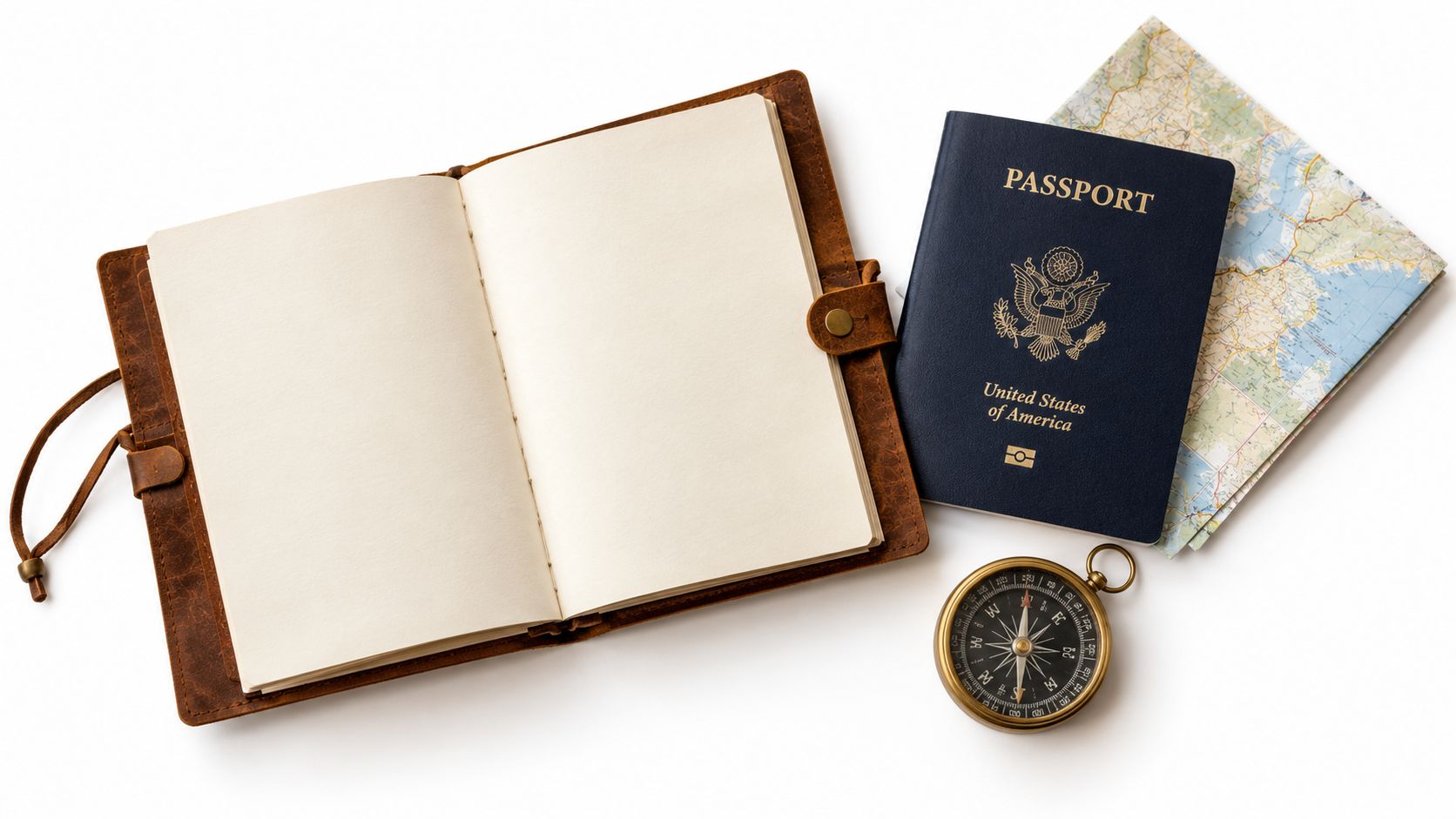
Ask each contributor to add one destination, one activity, or one memory of an adventure they shared with the birthday person. A colleague in Australia might suggest a local experience, while a relative in Canada contributes a place connected to family history. People in India, the United States, Africa, and the UK can all participate without waiting for a shared meeting time.
A digital board is particularly practical for this format because contributors can attach travel photos, short videos, destination GIFs, or useful resource links. Keep the finished card from becoming a travel-planning document by pairing each practical suggestion with a personal reason. “Visit this city” is forgettable. “You'd love this place because it has the same curious, food-loving energy as our first trip together” feels written for one person.
If the card is going to the celebrant and their family, create separate versions where appropriate. A private message can include a more ambitious dream, while a family version might focus on adventures everyone can share. Schedule delivery at a quiet moment when the recipient can read the suggestions and begin making plans.
Family messages often carry several generations at once. A parent, aunt, uncle, or family friend may have shaped traditions, taught values, preserved stories, or created the rituals that make relatives feel connected. The message should honour that influence without making the recipient sound like a monument.
A useful starting point is:
Happy 50th birthday, [Name]. You've given our family more than memories. You've given us traditions, stories, and a way of looking after one another. I'll always remember [specific family moment], because it shows the patience and care you bring to everything you do. Thank you for helping make our family what it is, and may the years ahead bring you the same love you've given all of us.
The most effective prompt is simple: “What family tradition or value did [Name] teach you?” One person may write about Sunday meals, another about perseverance, and a younger contributor may describe a small habit that has stayed with them.
A family coordinator should set a contribution deadline, collect photos from different periods, and check that every branch of the family has a chance to participate. The finished board can move from older photographs to recent memories, with short written notes explaining why each image matters.

Grandchildren and distant relatives don't need polished writing. A voice message, short video, drawing, or photograph can carry more feeling than a formal paragraph. Password protection is sensible during the collection phase, especially when relatives are sharing private family images or stories.
Families spread across continents can contribute asynchronously through a group online card. The organiser can schedule the reveal for a family gathering or virtual celebration, then download the finished keepsake as a PDF or high-resolution file. A message about rethinking family traditions may help contributors see that legacy isn't only about preserving old customs. It can also mean deciding which values the next generation will carry forward.
If several relatives are celebrating milestones close together, consider a coordinated set of cards rather than one overloaded board. Each recipient deserves a message that feels designed for them.
A workplace birthday message should recognise contribution without sounding like a performance review. Mention a project, decision, or habit that affected colleagues, customers, students, or the wider organisation. Avoid listing every achievement. One specific example creates more respect than a string of inflated adjectives.
Try this format:
Happy 50th birthday, [Name]. Your leadership has made a lasting difference to the way our team works and the confidence people bring to difficult projects. I've especially appreciated the way you [specific behaviour or achievement], because it created space for others to do their best work. We're grateful for your contribution and wish you a year filled with well-earned enjoyment, fresh challenges, and time for the people and interests that matter most.
This template suits HR and People Operations teams, direct reports, peers, mentors, and colleagues in different offices. Ask contributors, “How has [Name]’s leadership affected your career or team?” Encourage examples from different levels of the organisation. A senior colleague may describe strategic judgement, while a newer employee may remember a patient explanation or an opportunity to grow.
A professional card becomes awkward when every message uses the same corporate language. Give contributors a choice of prompts:
Firacard's Premium plan supports up to 100 contributors, along with multimedia, scheduling, slideshow export, multiple recipients, and an ad-free experience. That can help a multinational team gather messages from different departments without forcing everyone into a live session. Smaller teams can use the Free plan for up to 10 contributors, while the Infinity plan is designed for unlimited contributors.
Password protection can support a private preparation period, although organisers should avoid promising anonymity unless the process genuinely provides it. Schedule the presentation for a company meeting, retirement event, promotion announcement, or work anniversary. A downloadable file can also sit within an employee-recognition archive, provided the recipient and contributors are comfortable with that use.
For several senior leaders, a coordinated campaign may be easier to manage through Firacard's bulk group greeting cards option. Keep each card individually written, even when the administration is shared.
Some 50th birthday messages should show breadth rather than tell one long story. A gratitude mosaic gathers short notes from people connected to different parts of the celebrant's life. The finished card answers a powerful question: how many lives has this person touched, and in what different ways?
Give contributors this prompt:
Share one specific moment or way [Name] has affected your life, and explain why you're grateful.
A finished opening might read:
Happy 50th birthday, [Name]. Today's messages come from people who know you in different ways, but they share the same experience: your kindness leaves a mark. We've gathered these memories to show the care, humour, encouragement, and generosity that so many of us have received from you.
The prompt should invite unexpected contributors. A former neighbour, old school friend, professional contact, distant relative, volunteer partner, or former student may add a perspective that close family members don't have. Ask for one concrete moment rather than a general statement. “You're always there for people” becomes stronger when followed by the occasion that proves it.

Organise the board by relationship, such as family, friendship, work, community, and mentorship. Begin with a short welcome, place the most personal stories where they can breathe, and finish with a collective wish for the future. Written messages can sit alongside photos and short videos, but contributors shouldn't feel pressured to produce polished content.
A personalized ecard makes this format accessible to people in different locations. Digital cards are defined as cards created online and sent electronically, which makes them useful when contributors can't pass a paper card around in person. The UK market data also shows that online transactions represented 15% of greeting-card value by 2023, compared with 10% in 2019, while online sales represented 6% of volume in 2023, according to Firacard's guide to digital greeting cards.
Schedule the reveal for a quiet morning, evening, or weekend rather than dropping it into a busy workday. Create a separate family version if some messages are private. A high-resolution download can preserve the mosaic as a printed or digital family archive.
A reflective 50th birthday wish recognises change without judging the past. It works well for someone who has changed careers, recovered from a difficult period, adapted to new circumstances, or gained a clearer understanding of what matters to them.
Use language that notices development:
Happy 50th birthday, [Name]. I've watched you grow through changes, challenges, and choices that have shaped the person you are today. What I admire most is not that everything has been easy, but that you've continued to learn, adapt, and make room for what matters. I hope this birthday gives you time to recognise how far you've come and to choose the next chapter on your own terms.
Ask contributors, “How have you seen [Name] grow or evolve over the years?” Encourage them to describe a turning point rather than offer a verdict. “You're stronger now” is less useful than “When you moved into a new career, you brought the same patience and curiosity that helped everyone around you feel confident.”
This format should include the birthday person's own voice. Invite them to add an optional reflection after the card has been presented, using prompts such as:
The result becomes a conversation rather than a collection of outside observations. A person who has moved between career chapters might receive messages from former colleagues, friends, mentors, and family, each describing a different stage of their development. Someone who has overcome a major challenge may prefer private video reflections to a public presentation.
Schedule delivery during a personal moment, not necessarily at the loudest part of a party. Password protection can help contributors write candidly, and Firacard's multimedia tools let people record reflections that would feel flat in a short text. A PDF export can become part of a private journal or life-review folder.
For more prompts and wording, use these ideas for what to write in a 50th birthday card. Keep the tone respectful. Don't imply that turning 50 requires reinvention, and don't force a positive interpretation onto experiences the recipient may still be processing.
For someone devoted to charitable work, environmental action, social justice, community support, or another cause, the birthday message should connect personal appreciation with meaningful impact. Avoid turning the card into a publicity statement. Start with the person, then show how their values have changed what others do.
A suitable message might say:
Happy 50th birthday, [Name]. Your commitment to [cause] has never been limited to words. You've encouraged people to notice problems, take responsibility, and believe that practical action can change lives. I'm grateful for everything you've taught me about persistence and compassion, and I hope this next chapter brings you the energy, support, and joy to keep making a difference in ways that feel meaningful to you.
Ask contributors:
A nonprofit founder might receive messages from donors, trustees, staff, volunteers, and people who use the organisation's services. An environmental campaigner might hear from colleagues about a project, then receive a personal note from someone who became involved because of their encouragement. Specific outcomes are welcome when contributors can verify them. Don't add impressive-sounding statistics just to make the card seem substantial.
Firacard states that each paid card supports tree planting through its partnership with One Tree Planted. That gives an environmental dimension to a digital birthday card, but it shouldn't replace a direct donation or the action the recipient values. Mention the partnership accurately and let the celebrant decide whether it belongs in the final message.
Use multimedia to show impact, including community photographs, short video testimonials, project images, or a message from someone directly affected. Keep consent and privacy in mind, particularly for photographs of children, service users, or vulnerable communities. A board can be password-protected during preparation, and separate recipient versions can distinguish a personal birthday message from an organisational presentation.
This approach also works for several board members, donors, or campaign leaders. Coordinate the invitations through group greeting alternatives rather than creating disconnected cards, but make each message specific to the recipient. If the celebration includes a call to action, keep it practical. Invite contributors to volunteer, attend an event, share a resource, or continue one clearly defined piece of work. A birthday wish should honour impact without making the recipient responsible for everyone else's next move.
| Template | Implementation complexity | Resource requirements | Expected outcomes | Ideal use cases | Key advantages |
|---|---|---|---|---|---|
| The Humorous Age-Defying Roast Template | Low–Medium, simple format but needs tone checks | Multiple contributors, GIFs/photos, moderation tools | High engagement, laughter, shareable moments | Close-knit teams, friend groups, casual workplace celebrations | Fun, highly engaging, adaptable to varied humor styles |
| The Inspirational Life Lessons Template | Medium, requires curation for coherence | Thoughtful written contributions, quotes, multimedia | Deeply affirming, perspective on influence and legacy | Mentorship relationships, nonprofits, educational settings | Uplifting record of impact; cross-cultural and archival |
| The Adventure and Dreams Template | Medium, needs varied suggestions and curation | Travel photos/videos, bucket-list ideas from contributors | Motivational, energizing, actionable inspiration | Active individuals, early retirees, adventure enthusiasts | Encourages new goals; multimedia keepsake for planning |
| The Family Legacy and Generational Impact Template | High, complex coordination across generations | Archival photos, voice/video messages, family coordinator | Emotional, archival family record; strengthened bonds | Family reunions, cultural heritage celebrations, immigrant families | Creates permanent family archive; strengthens intergenerational ties |
| The Professional Appreciation and Career Milestone Template | High, large-scale coordination and HR oversight | Many contributors, structured prompts, Premium features | Formal recognition, documentable career impact, archival | HR teams, corporate recognition programs, professional services | Scalable for enterprises; archival and event-ready recognition |
| The Gratitude and Appreciation Mosaic Template | Medium–High, broad outreach and curation | Diverse contributors, multimedia, organization by relationship | Emotionally resonant, broad affirmation from varied networks | Teachers, community leaders, volunteers with wide networks | Diverse voices create powerful collective appreciation; highly scalable |
| The Personal Growth and Self-Reflection Template | Medium, sensitive curation and guided prompts | Reflective prompts, self-contributions, multimedia reflections | Introspective insight, therapeutic validation, perspective gain | Reflective individuals, life-transition contexts, wellness groups | Promotes self-awareness; balances external recognition with inner voice |
| The Cause-Driven Legacy and Impact Template | Medium, requires focus on impact and partnerships | Impact data, testimonials, multimedia, integration with cause partners | Purpose-aligned celebration, mobilized support, measurable impact | Nonprofit leaders, activists, purpose-driven employees | Directly supports causes (e.g., tree planting); mobilizes meaningful action |
Choose the template by starting with the person, not the occasion. A close friend who enjoys teasing may suit the humorous roast. A mentor or professor may appreciate the life-lessons format. A parent or family elder may value a legacy message, while a colleague may prefer professional appreciation that names a real contribution. Someone who dislikes public attention may respond better to a reflective card delivered privately than to a slideshow at a crowded party.
The relationship also affects how much context you need. A lifelong friend can refer to an inside joke with a few words. A large workplace group should explain the memory so the recipient knows why it matters. A distant relative may need to identify the place, event, or family tradition behind a photograph. Don't assume every contributor knows the same version of the story.
Use this personalisation formula before you send an invitation:
For example:
Happy 50th, [Name]. I still think about the evening you [specific memory], when you made everyone feel welcome even though the plan had gone wrong. Your calm generosity has shaped more people than you know. I hope the next chapter gives you time for [specific future wish], with plenty of good company along the way.
That structure is short enough for a group card but personal enough to avoid sounding copied. It also works for contributors who aren't close to the recipient. If you're unsure what to write, keep the message respectful and low-risk: acknowledge the milestone, mention the quality you've observed, and offer a positive wish without pretending to share a deeper relationship.
A shared card is particularly useful when the celebrant's community is spread across borders. Contributors in the United Kingdom, United States, Australia, Canada, India, and African countries can add messages when convenient instead of trying to coordinate one live signing session. Firacard lets an organiser create a shareable board, invite contributors, and combine text with photos, GIFs, and videos. Delivery can be scheduled or made immediate, depending on the occasion.
Digital delivery also offers a practical sustainability consideration. One UK-focused source reports that more than 500,000 trees are cut down annually for greetings cards, that 33% of paper used for them in the UK isn't recycled, and that paper cards can take 5 to 15 years to break down in landfill, as explained by the Clothing Collective's e-card guide. A separate UK comparison gives a carbon footprint of 33.18g CO2e for a 10g recycled-paper letter that is printed, posted, and recycled in the UK, while digital cards avoid paper, printing, and postal delivery, according to Firacard's eco-friendly card guide. These considerations don't make a digital card automatically right for every recipient, but they help explain why an online keepsake can be a thoughtful alternative to a physical card.
The choice isn't only paper versus screen. A group card can become a downloadable keepsake, a slideshow during a party, or a private collection of family messages. The UK greeting-card market has also shown that physical and digital behaviours can coexist. Online card sales were worth about £212 million in 2023, up roughly 7% year over year, and online singles-card share is projected by the same industry source to reach 19% to 20% by 2027, according to Moonpig's market report. The projection is not a promise about any individual campaign, but it shows why many teams now combine digital convenience with the emotional value of a personalised message.
Firacard can also support occasions beyond birthdays. The same collaborative format can become an online leaving card, a virtual leaving card, or a digital leaving card when a colleague moves on. A message for someone you don't know well can remain concise and professional, while a close team can collect stories, photos, and videos. If you're comparing it with a Kudoboard alternative or a GroupGreeting alternative, focus on the workflow your group needs, such as contributor limits, scheduling, privacy, multimedia, downloads, and multiple recipients.
Even a sorry for leaving card benefits from the same three-part formula used for 50th birthday wishes. Name one shared moment, identify one quality, and offer one sincere wish for what comes next. That consistency helps HR teams, schools, universities, charities, and remote teams create messages that feel human rather than administrative.
Start your 50th birthday card by choosing one template, then send contributors one clear prompt. Give them a deadline, explain the tone, and ask for details rather than generic praise. Before delivery, remove duplicates, check names and photographs, and make sure the final order gives the recipient space to enjoy the message.
Visit Firacard to create a collaborative birthday ecard where friends, family, colleagues, or students can add personal 50th birthday wishes from anywhere. Start a shareable board, invite contributors across time zones, and turn their messages, photos, GIFs, and videos into a scheduled keepsake the recipient can revisit.


You've just heard that someone you care about has lost a parent. The funeral is approaching, friends are scattered across cities, and nobody w
You can have hundreds of friendly contacts and still feel unsure who would answer when life gets messy, so what makes a friendship good, and how ca
A couple realises that their 15th wedding anniversary is only weeks away. The restaurant they meant to book is full, the obvious gift ideas feel re